
Notes from the field.
All notes.
Market commentary, investor education, and a look inside how we underwrite. Written for accredited investors who want to go deeper.
-

-
-
-
-
-
-

-

-
-
-
-
-
Did you know.
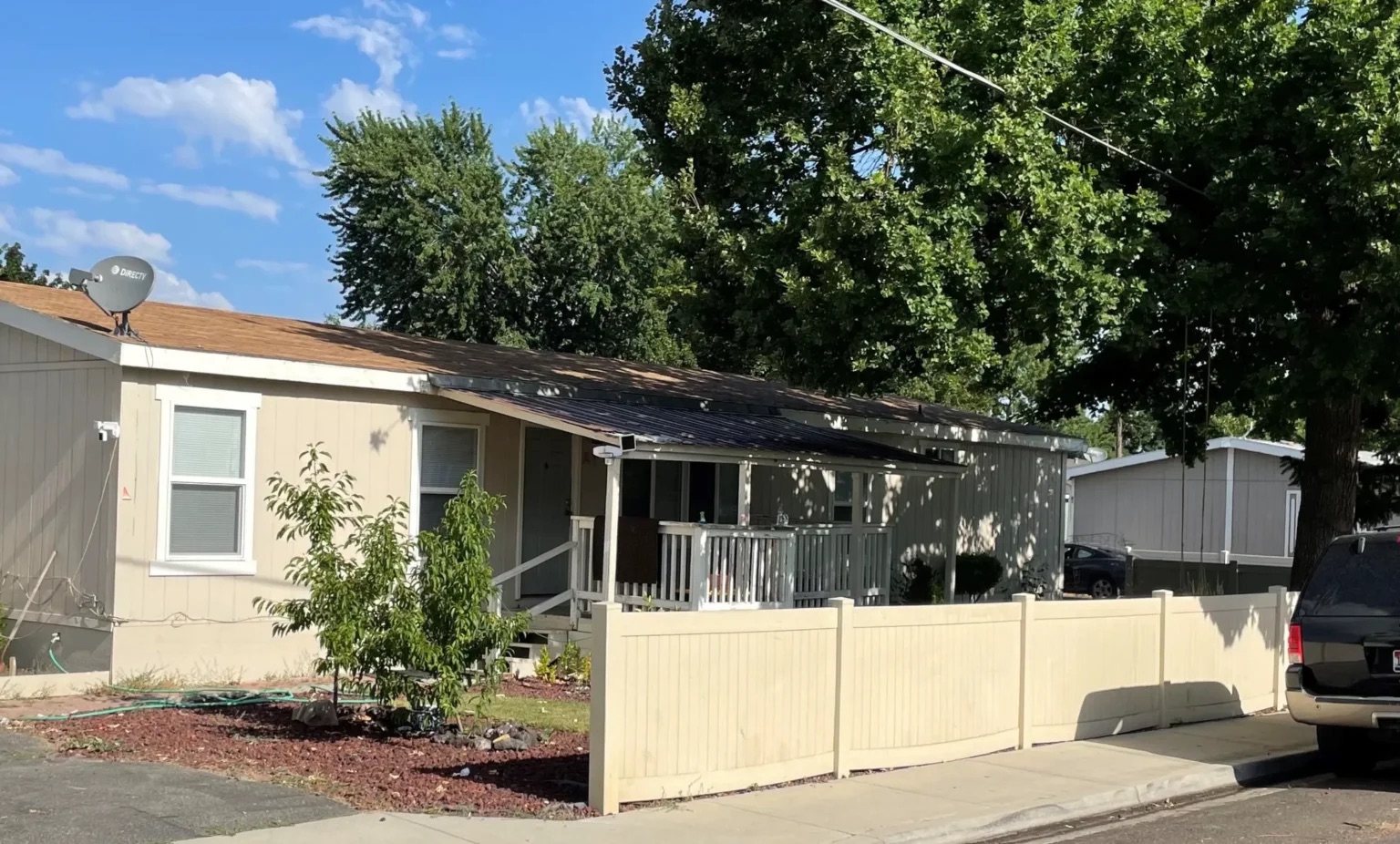
Manufactured housing is older, larger, and more woven into American life than its reputation suggests.
Neil Armstrong, Buzz Aldrin and Michael Collins spent their first days back from the Moon inside a converted Airstream trailer: NASA's Mobile Quarantine Facility, now in the Smithsonian.
In 1936 the economist Roger Babson predicted that within twenty years more than half the population of the United States would be living in automobile trailers.
By the end of 1946 the Federal Public Housing Authority had allotted 11,266 family trailers and 214 dormitory trailers to educational institutions.
In 1954 Elmer Frey's Marshfield Homes built a trailer ten feet wide: too wide to tow without special permits, and the point at which the industry began selling houses rather than vehicles.
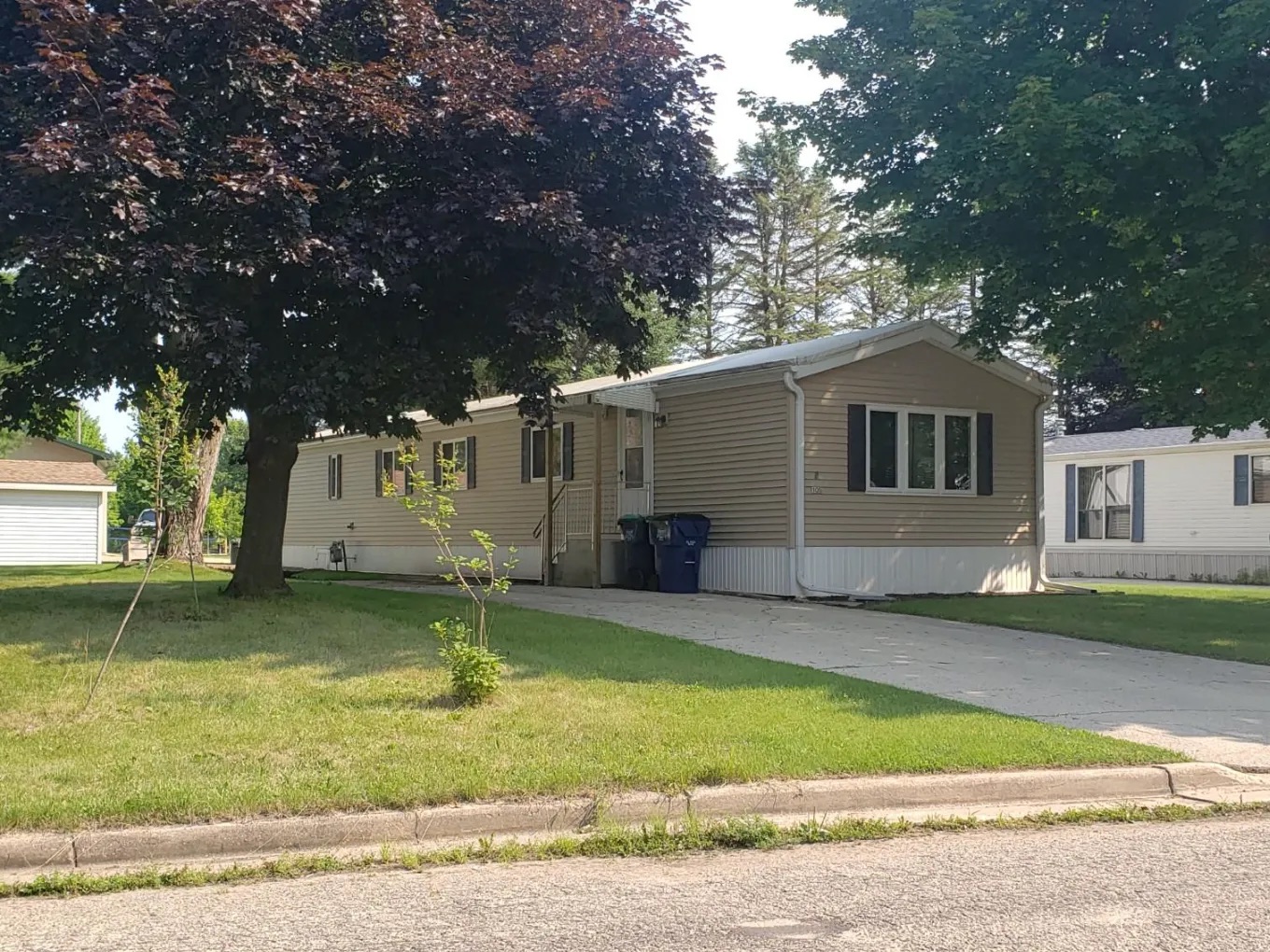
Since June 15, 1976, every manufactured home built in the United States has been required by federal law to be built to the HUD Code, a national construction and safety standard that preempts state and local building codes on the aspects it covers. (Local zoning and land-use rules are not preempted.)
As of 2023, about 16.6 million Americans lived in manufactured homes, which accounted for roughly 5 percent (about one in twenty) of U.S. households.
Wind standards were rewritten in 1994 after Hurricane Andrew, and homes built for Wind Zone III, the highest-risk coastal areas, are engineered to a 110 mph design wind speed under 24 CFR 3280.305 (a fastest-mile speed under ANSI/ASCE 7-88, not the 3-second-gust metric used in today's site-built codes).
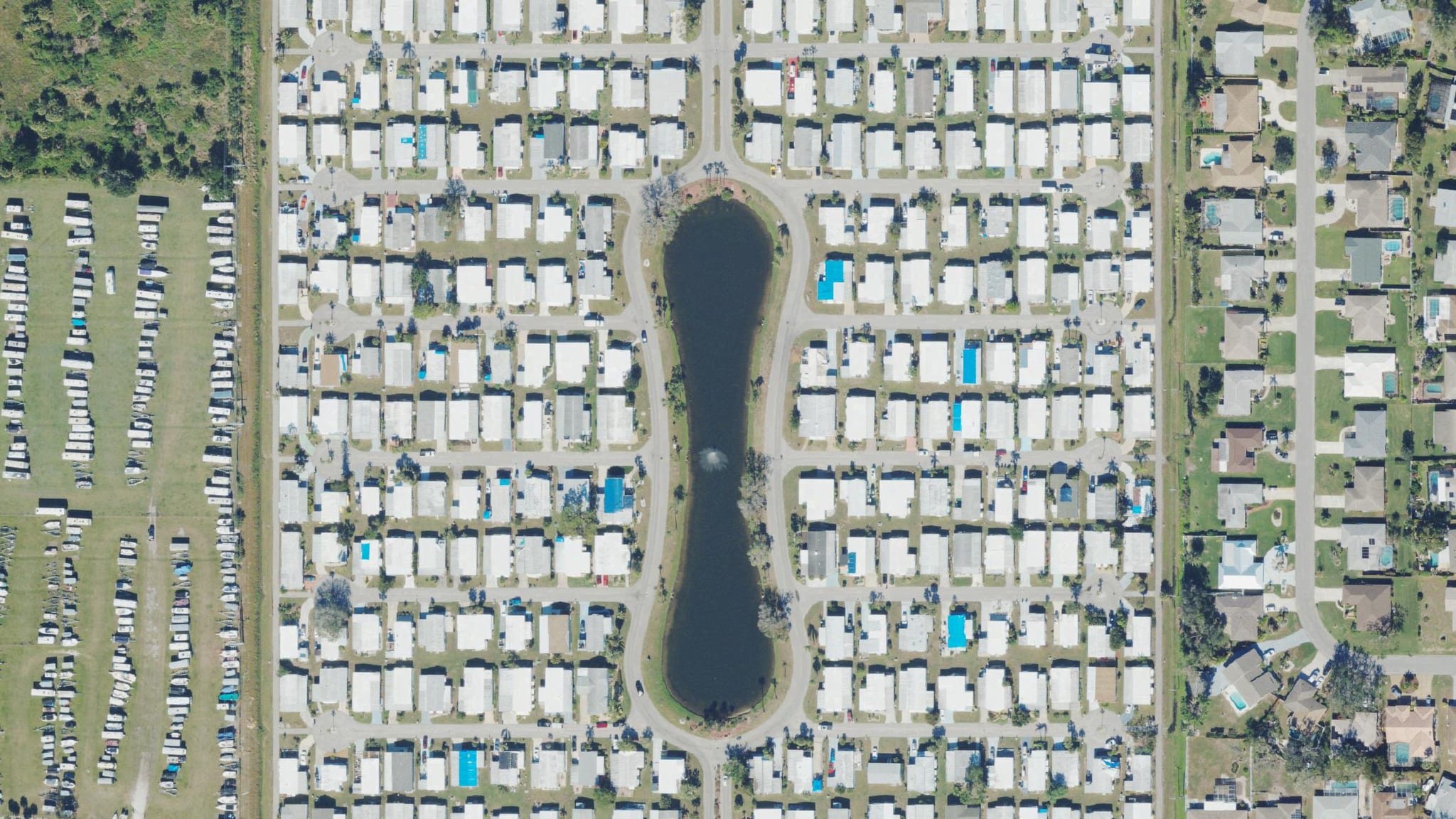
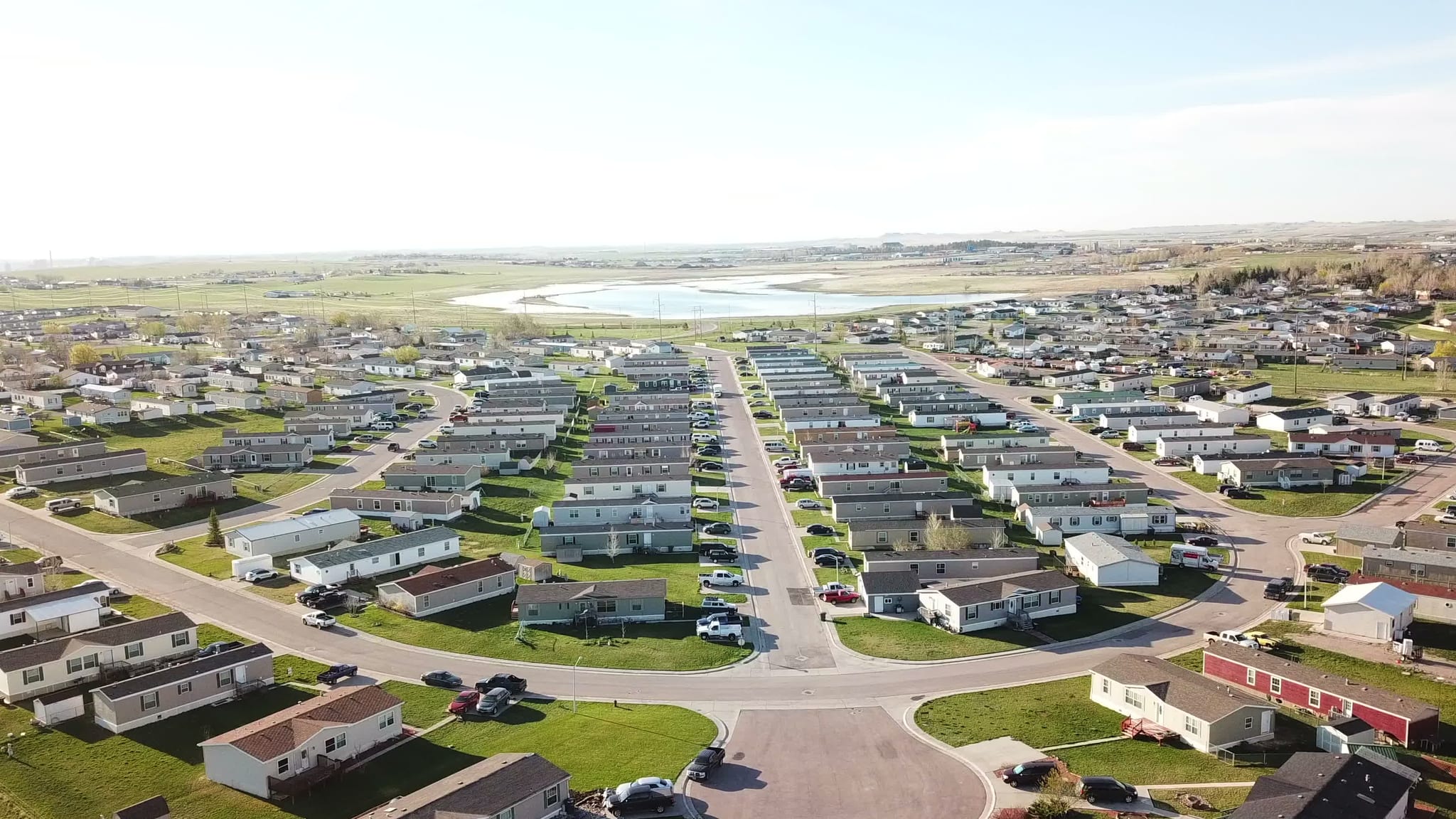
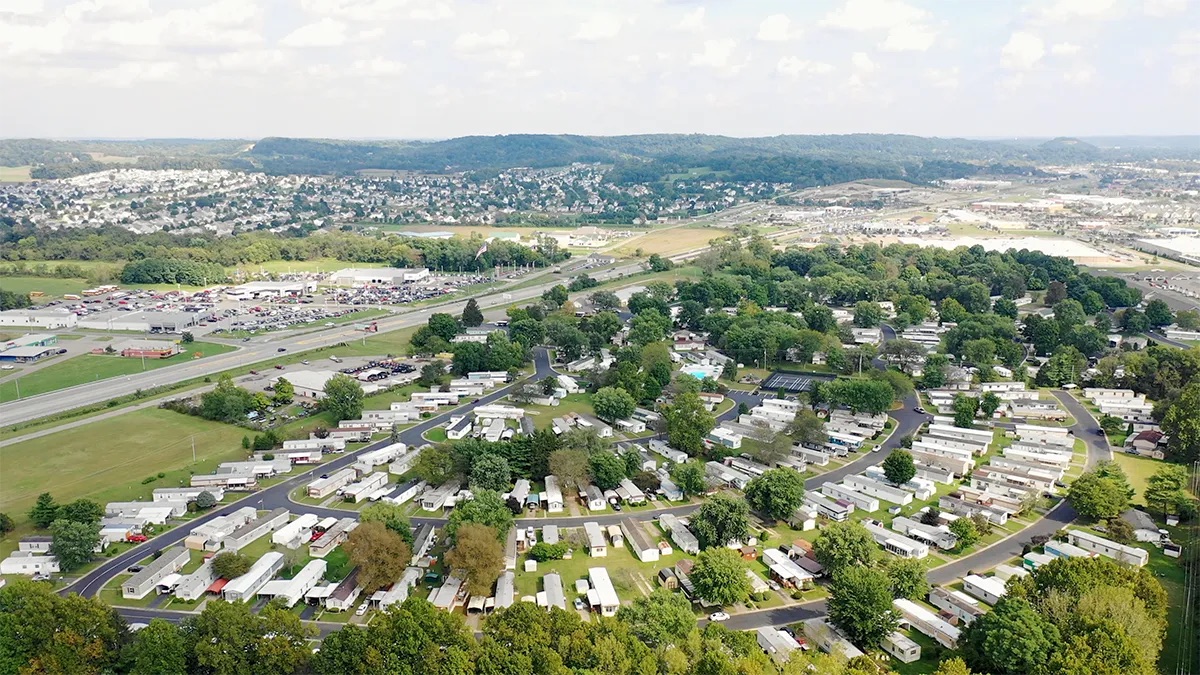
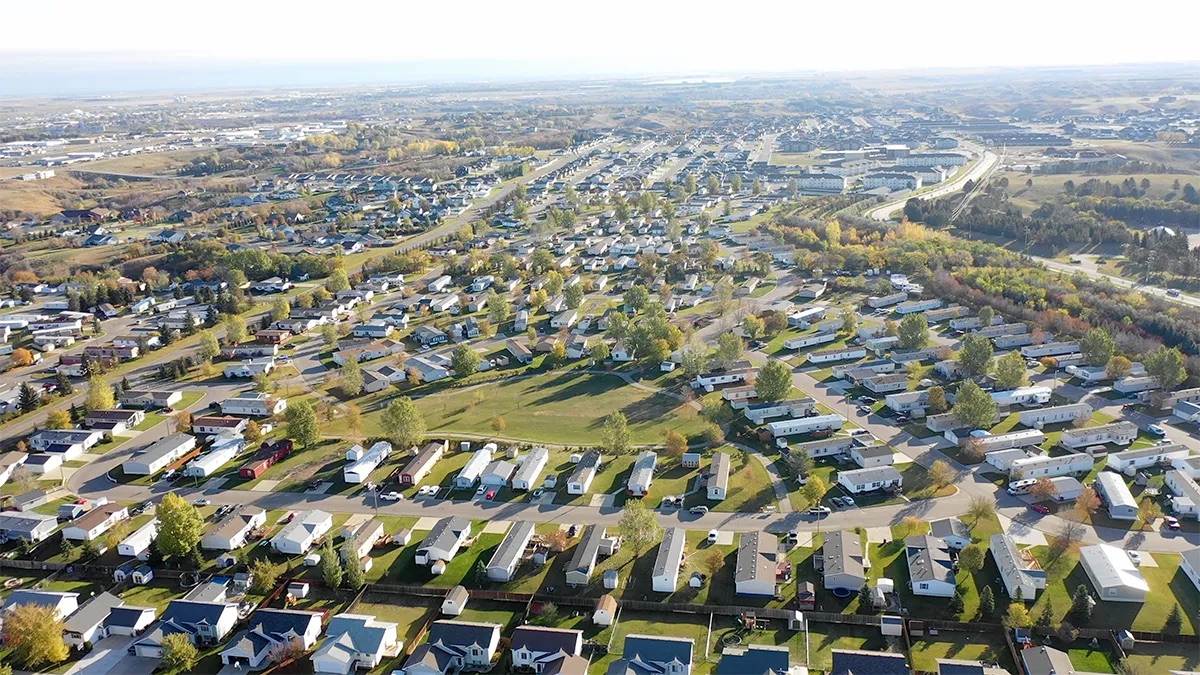
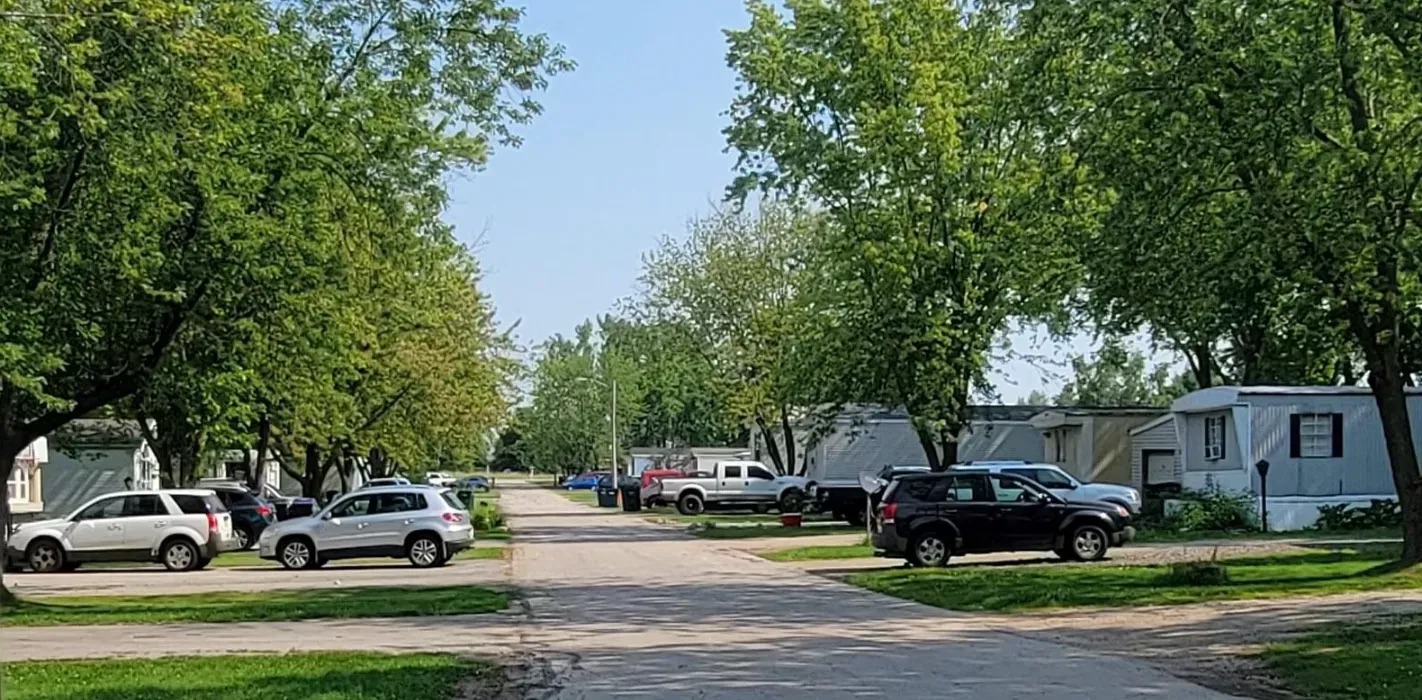
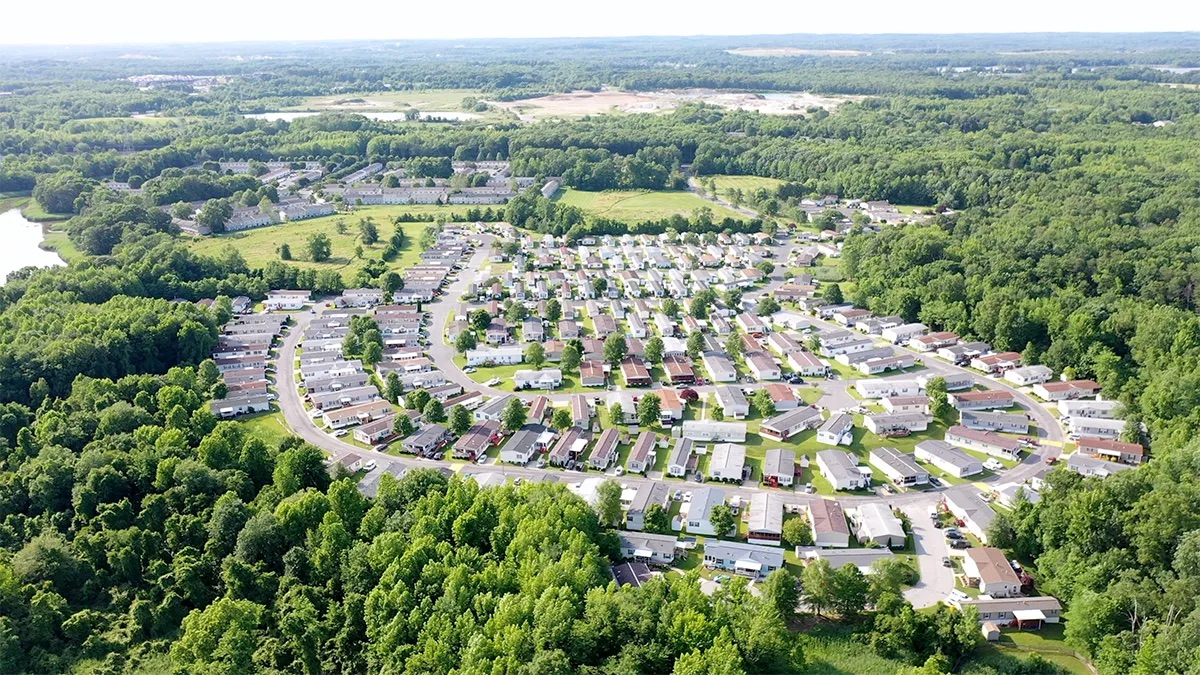
Roughly 44,000 land-lease manufactured housing communities operate across the United States, some 4.3 million homesites in all, according to the Manufactured Housing Institute.
The median manufactured-home householder is 55 years old — the same as the median single-family householder.
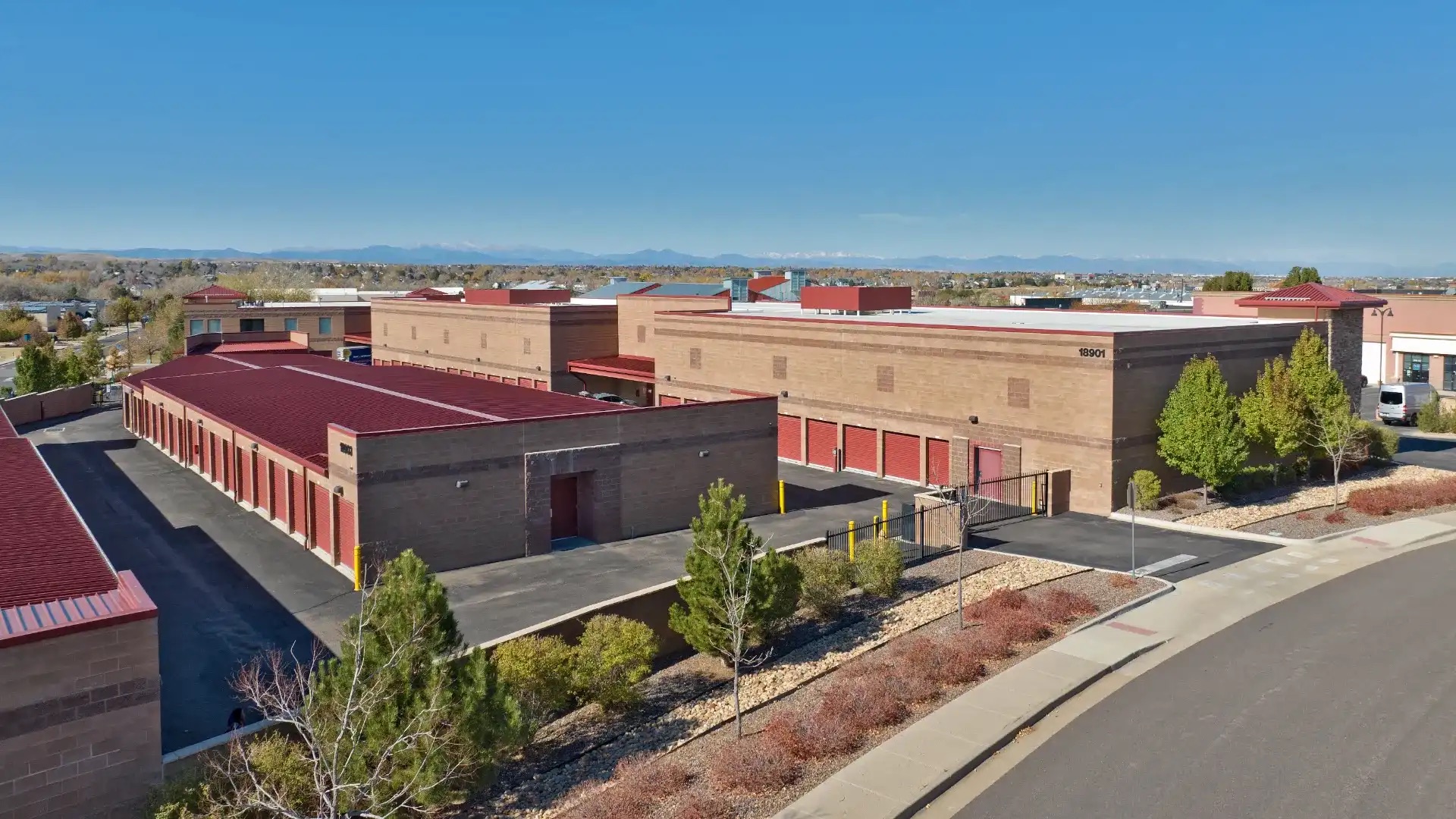
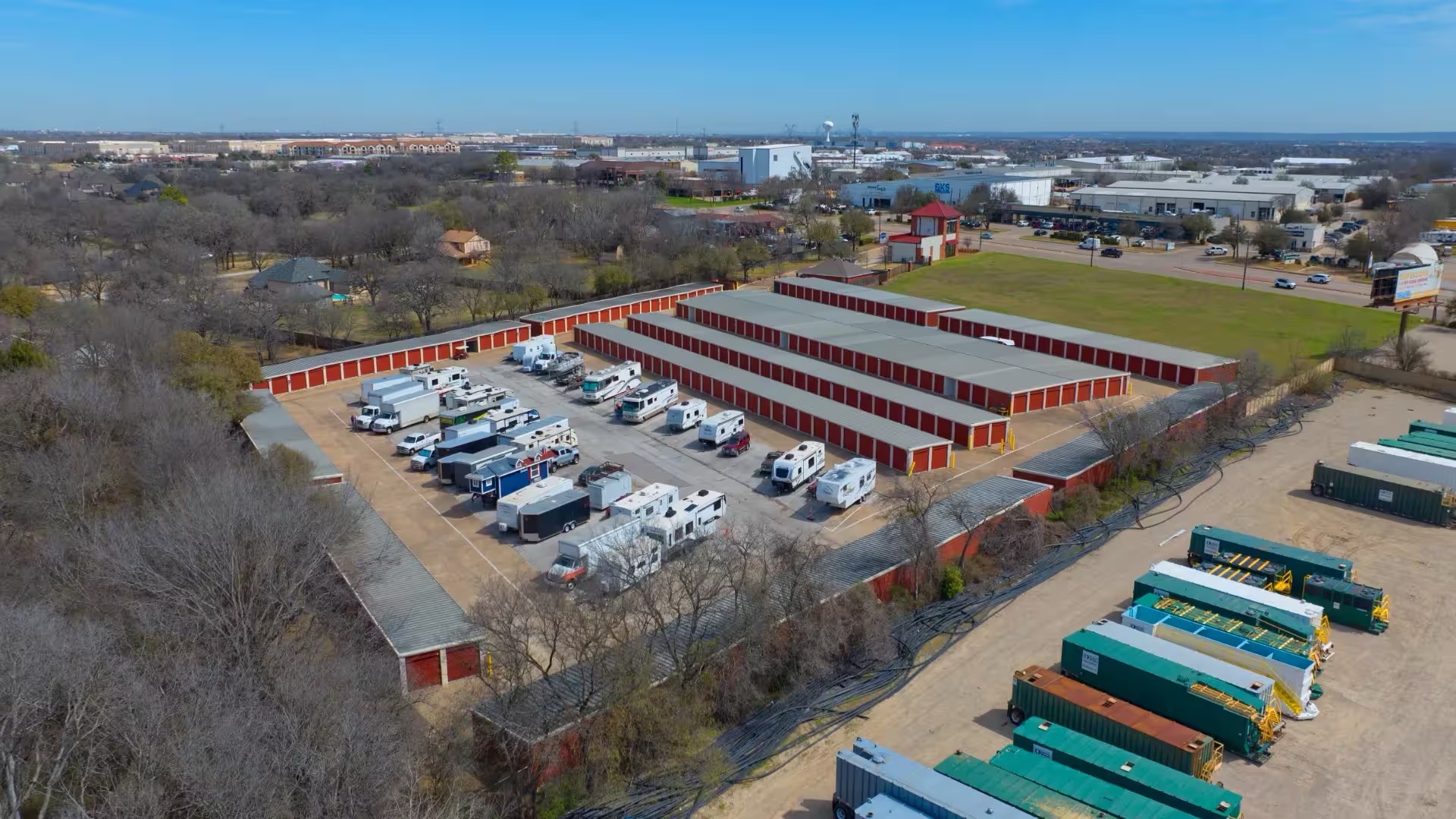
In its Form 10-K for fiscal year 2025, Public Storage states that it believes the four largest self-storage owners hold approximately 22 percent of U.S. self-storage square footage, with the remaining 78 percent owned by regional and local operators.
In a land-lease community the operator owns the ground and leases homesites; residents who own their homes lease only the land beneath them. Many communities also include homes owned by the operator and rented out.
Manufactured Housing Institute, Scaling Up America's Housing Supply with Manufactured Homes (August 2025), citing U.S. Census Bureau American Community Survey data. Figures are as of the dates stated and were not independently verified.
24 CFR Part 3280, the Manufactured Home Construction and Safety Standards, effective June 15, 1976; wind-zone design loads at 24 CFR 3280.305; federal preemption at 42 U.S.C. 5403(d).
Public Storage, Annual Report on Form 10-K for fiscal year 2025, Part I, Item 1, "Competition" (SEC accession 0001628280-26-007696). The statement is the issuer's own belief, not an audited figure.
U.S. Census Bureau, 2023 American Housing Survey, as reported by the National Association of Home Builders, Eye On Housing (April 2025).
Background sources: Smithsonian National Air and Space Museum, object record NASM_A19740677000 (Apollo 11 Mobile Quarantine Facility); American Society of Planning Officials, Planning Advisory Service Report No. 12 (1950); Allan D. Wallis, Wheel Estate; Pew Charitable Trusts, "Millions of Homeowners Who Rent Land Are at Risk of Price Increases or Eviction" (June 2025). Biographical items are drawn from published interviews and profiles; no affiliation or endorsement is implied.
Insights are for informational and educational purposes only and do not constitute investment, legal, or tax advice, or an offer to sell or solicitation to buy any security. Views are current as of each article's publication date and may change. Third-party figures are as of the dates cited and were not independently verified. See full disclosures.

Have a question? Talk to a real person.
Accredited investors get direct access to the team behind the funds. Carter can walk you through the strategy, terms, and process — no gatekeeping.